Some songs capture a feeling so deeply that they become more than music—they’re a way of life. For the Grateful Dead, “Sugar Magnolia” is that kind of song. First unveiled in 1970 as part of their genre-defining American Beauty album, this sun-dappled anthem has become one of their most enduring classics. The song is a vibrant celebration of freedom, love, and nature, delivered with the Dead’s signature mix of lyricism and spontaneity.
But what’s the story behind this timeless track? How did it come to life, and why does it resonate so deeply with Deadheads to this day? Let’s dive into the origins and legacy of “Sugar Magnolia.”

Born in Harmony: The Songwriting Process
“Sugar Magnolia” began as a collaboration between Bob Weir, the Dead’s rhythm guitarist, and their prolific lyricist Robert Hunter. Weir provided the musical framework and parts of the lyrics, while Hunter added his own poetic touch to flesh out the story. Weir later described the process as uniquely spontaneous:
“I had the melody and a bunch of the lyrics in place, but the ending wasn’t there yet. Hunter wrote the final verses while I was literally in the studio laying down vocals. He handed me the sheet, and I just sang it. First take.”
This off-the-cuff creation speaks volumes about the Dead’s creative ethos. They thrived on improvisation, and “Sugar Magnolia” is a prime example of their ability to conjure magic in the moment.
A Woman—or a World?
On the surface, “Sugar Magnolia” is a love song, bursting with affection for a free-spirited woman. Lines like “She’s got everything delightful” and “She can dance a Cajun rhythm” paint a vivid picture of someone full of life and charm. But the song’s meaning isn’t pinned down. Is it an ode to a specific woman, such as Bob Weir’s then-girlfriend Frankie, or a broader metaphor?
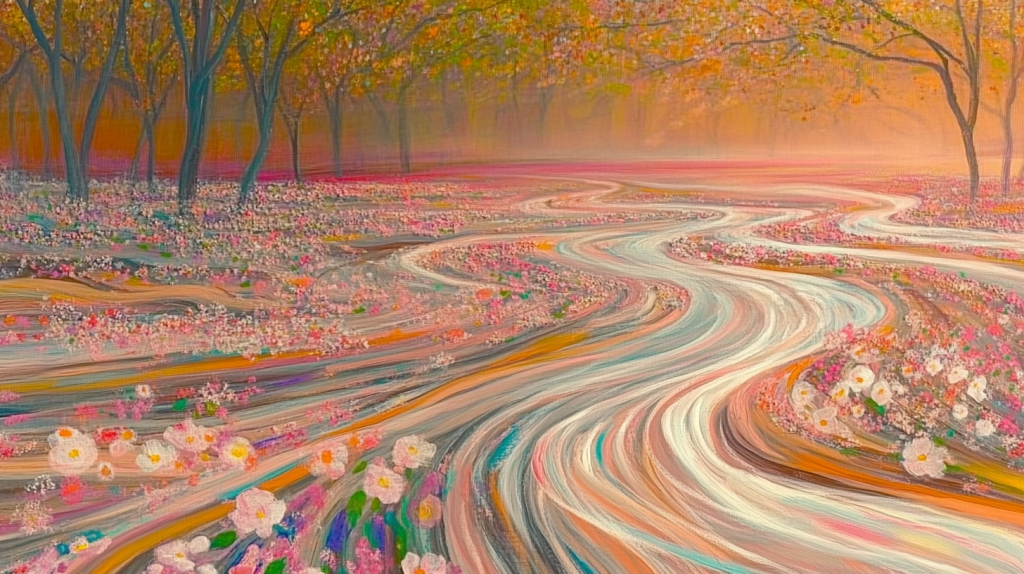
Some interpretations suggest the song celebrates the natural world or even encapsulates the Grateful Dead experience itself. For example, the “sunshine” could symbolize the community joy of a Dead show, while the “river” evokes the fluidity of their improvisational jams. Hunter, known for his layered and open-ended lyrics, once said:
“I try not to get in the way of what people hear in a song. That’s their story, not mine.”
This ambiguity has allowed fans to make “Sugar Magnolia” their own, giving the song a personal resonance for anyone who hears it.
The Live Evolution of “Sunshine Daydream”
First performed on June 7, 1970, at San Francisco’s Fillmore West, “Sugar Magnolia” quickly became a cornerstone of the Dead’s live shows. The song was played a staggering 596 times in concert, making it their second-most performed tune after “Me and My Uncle.”
One reason for its enduring popularity was its pairing with “Sunshine Daydream,” a jubilant coda that transformed the song into a multi-part suite. The transition between the two parts was fertile ground for improvisation. Sometimes the Dead would break into “Sunshine Daydream” immediately, while other times they’d insert long pauses or even other songs. This flexibility kept each performance fresh and thrilling, both for the band and the audience.
One particularly poignant moment came in 1991, after the death of legendary promoter Bill Graham. The band withheld the “Sunshine Daydream” coda for a week, saving its triumphant release for a special tribute show. It was a fitting nod to the bittersweet highs and lows that define the Grateful Dead’s music and legacy.
The Legacy of “Sugar Magnolia”
Over the decades, “Sugar Magnolia” has become much more than a song. It’s an anthem of joy, a celebration of life’s unpredictability, and a reminder to embrace the moment. From its roots as a spontaneous studio experiment to its evolution as a live-show highlight, the song embodies the Dead’s unique ability to connect with their audience.
It’s no wonder that fans still debate its meaning and significance. Whether it’s a love letter, an ode to nature, or a metaphor for the Grateful Dead experience, “Sugar Magnolia” remains as vibrant and alive as the day it was written. As one fan put it:
“‘Sugar Magnolia’ isn’t just a song—it’s a way of looking at the world, one filled with sunshine, freedom, and endless possibilities.”
Grateful Dead’s
“Sugar Magnolia” Lyrics – Written by Robert Hunter and Bob Weir
Sugar Magnolia blossom’s blooming
Head’s all empty and I don’t care
Saw my baby down by the river
Knew she’d have to come up soon for air
Sweet blossom come on under the willow
We can have high times if you’ll abide
We can discover the wonders of nature
Rolling in the rushes down by the riverside
She’s got everything delightful
She’s got everything I need
Takes the wheel when I’m seeing double
Pays my ticket when I speed
She come skimming through rays of violet
She can wade in a drop of dew
She don’t come and I don’t follow
Waits backstage while I sing to you
She can dance a Cajun rhythm
Jump like a Willys in four wheel drive
She’s a summer love in the spring, fall and winter
She can make happy any man alive
Sugar magnolia
Ringin’ that blue bell
Caught up in sunlight
Come on out singing
I’ll walk you in the sunshine
Come on honey, come along with me
She’s got everything delightful
She’s got everything I need
A breeze in the pines in the summer night moonlight
Crazy in the sunlight yes indeed
Sometimes when the cuckoo’s crying
When the moon is halfway down
Sometimes when the night is dying
I take me out and I wander round
I wander round
Sunshine daydream
Walking through the tall trees
Going where the wind goes
Blooming like a red rose
Breathing more freely
Light out singing
I’ll walk you in the morning sunshine
Sunshine daydream
Walk you in the sunshine
Best “Sugar Magnolia” Live Versions
- June 7, 1970 – Fillmore West, San Francisco, CA
The debut performance, where the song’s carefree spirit was first unleashed. A historic moment for Deadheads. - May 26, 1972 – Lyceum Theatre, London, England (Europe ’72)
A tight, exuberant rendition captured on the iconic Europe ’72 album. The interplay between “Sugar Magnolia” and “Sunshine Daydream” here is quintessential Dead magic. - April 28, 1989 – Irvine Meadows, Irvine, CA
A late-era performance that shows how the band could inject fresh energy into their classics. The jam into “Sunshine Daydream” is pure bliss.
Sugar Magnolia Fun Facts
- The line “Jump like a Willys in four-wheel drive” references the rugged Willys Jeep, adding a touch of Americana to the song.
- A single version of the live Europe ’72 performance peaked at #91 on the Billboard Hot 100 in 1973.
- Bob Weir wrote parts of the song for his girlfriend Frankie, but its universal themes have outgrown its personal origins.
More than five decades later, “Sugar Magnolia” still shines. Whether you’re chasing sunshine at a Dead show or listening at home, the song captures the feeling of freedom and joy that has always defined the Grateful Dead.


